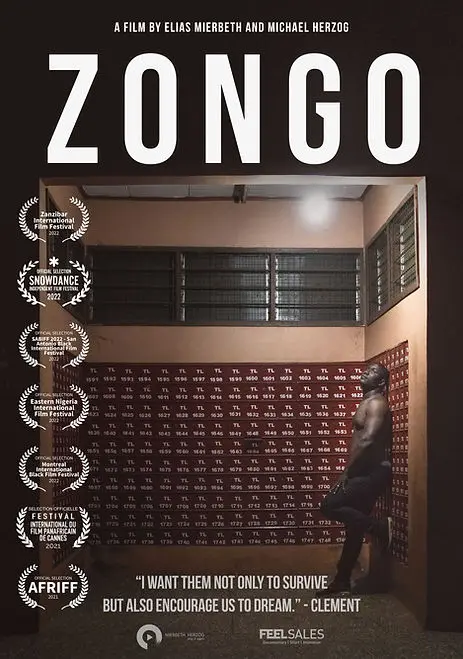
ZONGO is a film about my life, but watching it travel through festivals taught me that a personal story can carry questions much larger than one person.
The film returns to difficult parts of my journey: poverty, hopelessness, survival, prison, and the long path towards building opportunities with rural communities in Ghana. These are not easy memories to place on a screen. Telling them required vulnerability, but it also required trust that the story would not reduce my life—or Ghana—to suffering alone.
Too many African stories are presented as simple contrasts: despair or inspiration, victim or hero, tradition or modernity. Real lives do not fit so neatly. Our communities can hold pain and beauty, scarcity and generosity, inherited knowledge and new technology at the same time.
What mattered to me in ZONGO was the space to speak in my own voice. The film does not offer a perfect hero or a finished dream. It follows a person shaped by fear, belief, mistakes, stubbornness, relationships, and the decision to keep building.
The international recognition of the film was meaningful, but the deeper value lies in the conversations it opens. What gives a young person permission to dream? How does education interrupt cycles of hopelessness? What happens when communities become authors of their own future rather than subjects of somebody else’s project?
Film can travel where a project report cannot. It allows people to feel the landscape, hear a voice, sit with uncertainty, and recognise something of themselves in a life that may appear very different from their own.
ZONGO reminds me that storytelling is also a form of responsibility. We must tell the truth without turning pain into spectacle. We must honour the people and places that shape us. And we must leave enough complexity for audiences to encounter an African story as human experience—not as a stereotype.