My early work with moringa was never only about selling a plant. I was drawn to the possibility that one local resource could connect nutrition, farming, income, and community confidence.
Moringa taught me an important entrepreneurial lesson: people do not need another product simply because an entrepreneur believes in it. They need solutions that make sense within their daily lives. That means demonstrating value, listening to doubts, learning how people already use the land, and understanding the practical barriers between an idea and adoption.
It also taught me that social enterprise is not charity with a business name. Enterprise must create genuine value and earn trust. At the same time, profit alone is too small a measure for work that affects soil, health, livelihoods, and the choices available to young people.
The journey was not simple. Community work rarely moves in a straight line. There are seasons when resources are scarce, markets are uncertain, or plans must change. There are moments when the person carrying an idea has to survive long enough for others to see what that idea could become.
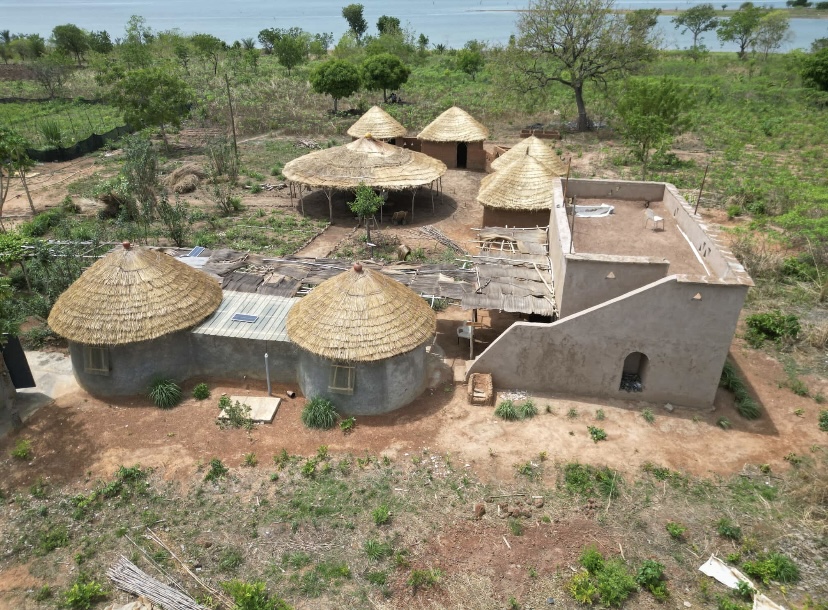
Green Gold grew from these lessons. The work expanded from a single crop towards regenerative land use, agroforestry, restoration, and rural enterprise. Dream Village grew from the same conviction: people need practical places where ideas can be tested, skills can be shared, and the connection between land and opportunity becomes visible.
Hope is often described as a feeling. My experience has taught me to see it as infrastructure. Hope needs a place to meet, a field to practice in, tools to work with, people who believe in one another, and enterprises capable of carrying good ideas beyond a short project cycle.
The question I continue to ask is not simply, “What can we sell?” It is, “What can we grow that strengthens both people and place?”